
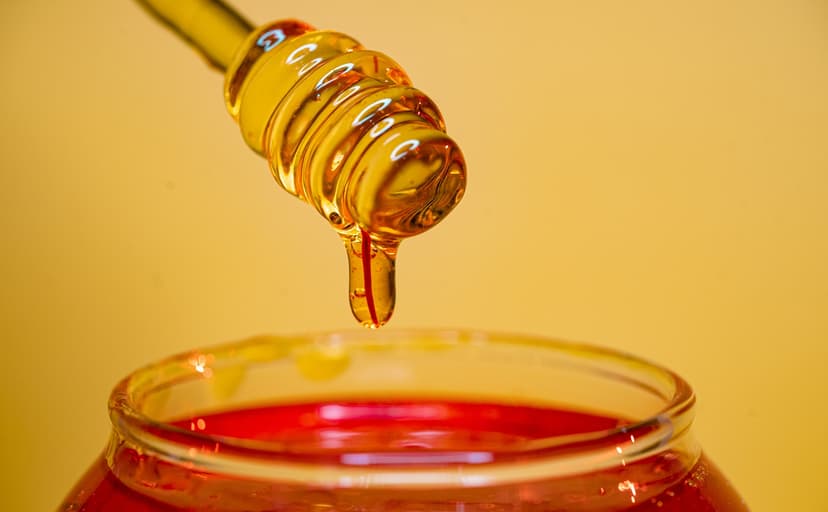
Honey
10 products
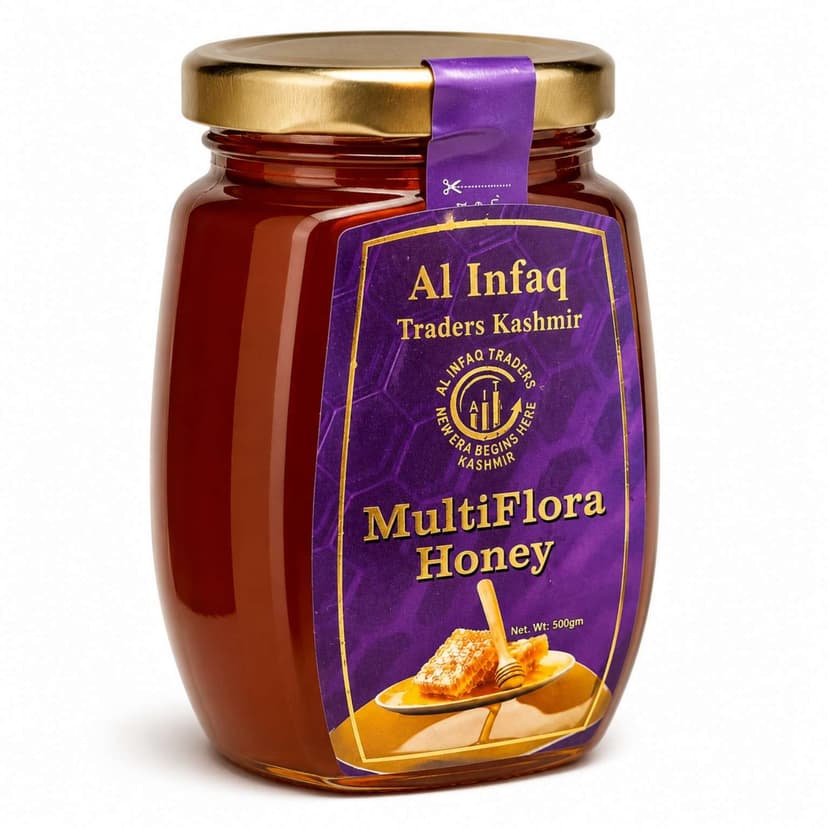
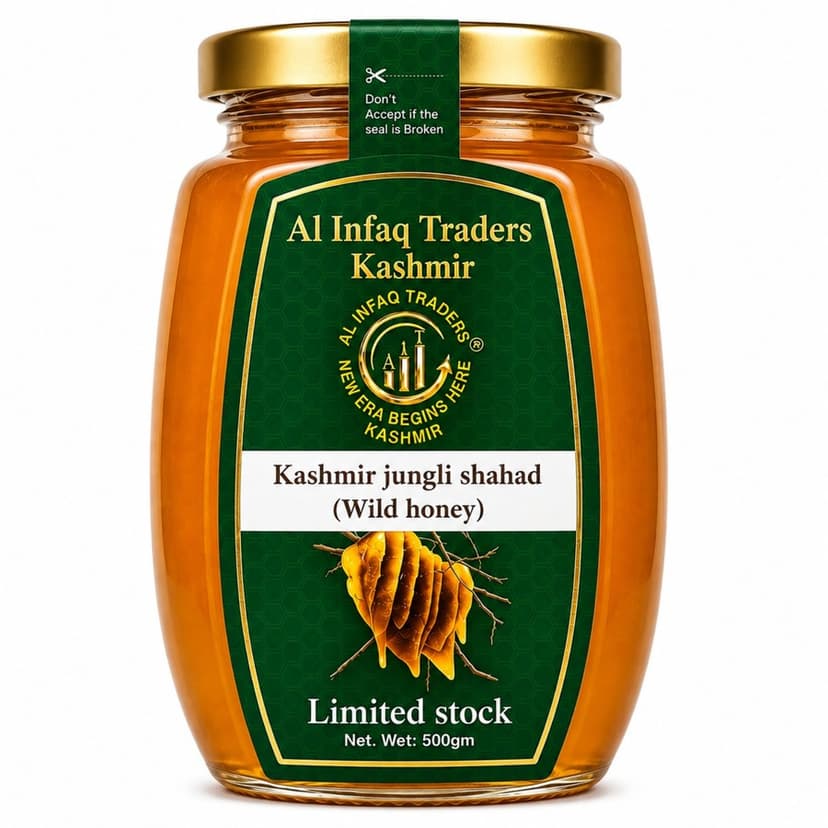
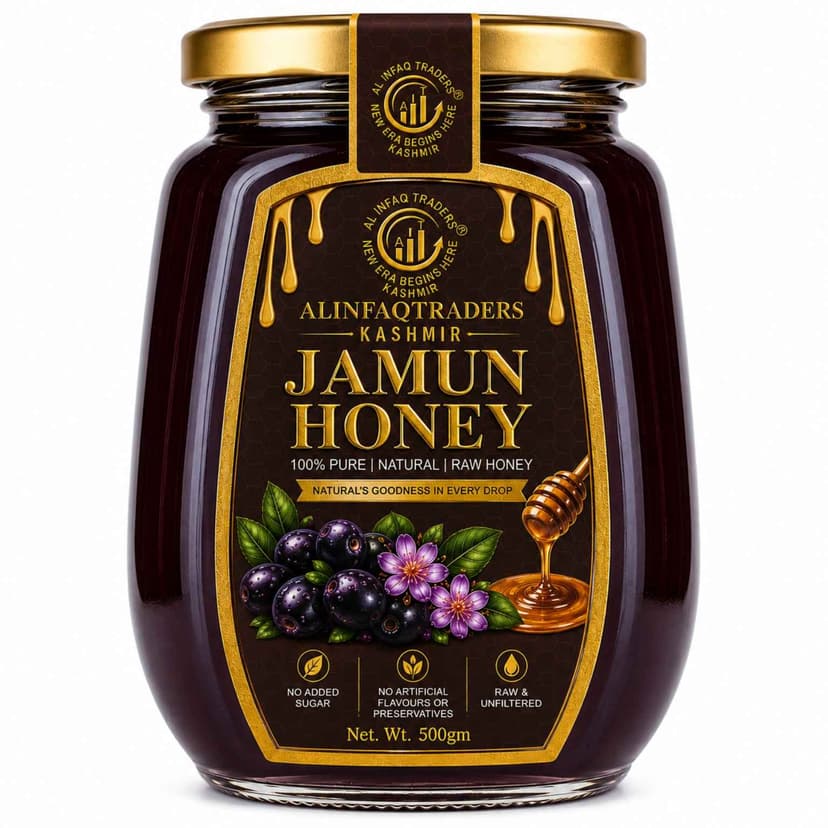
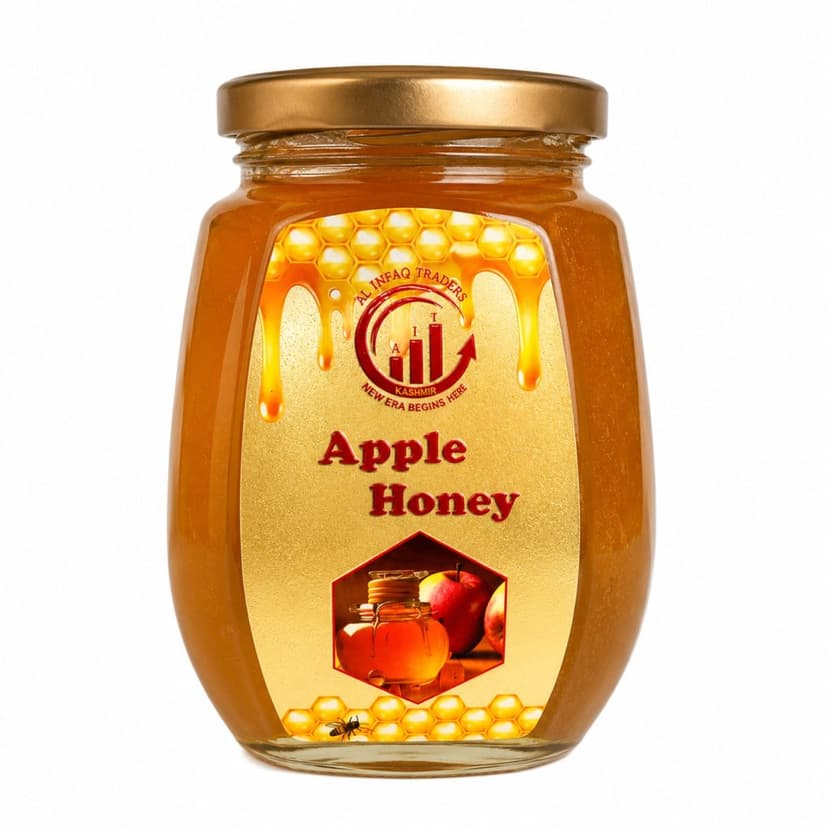
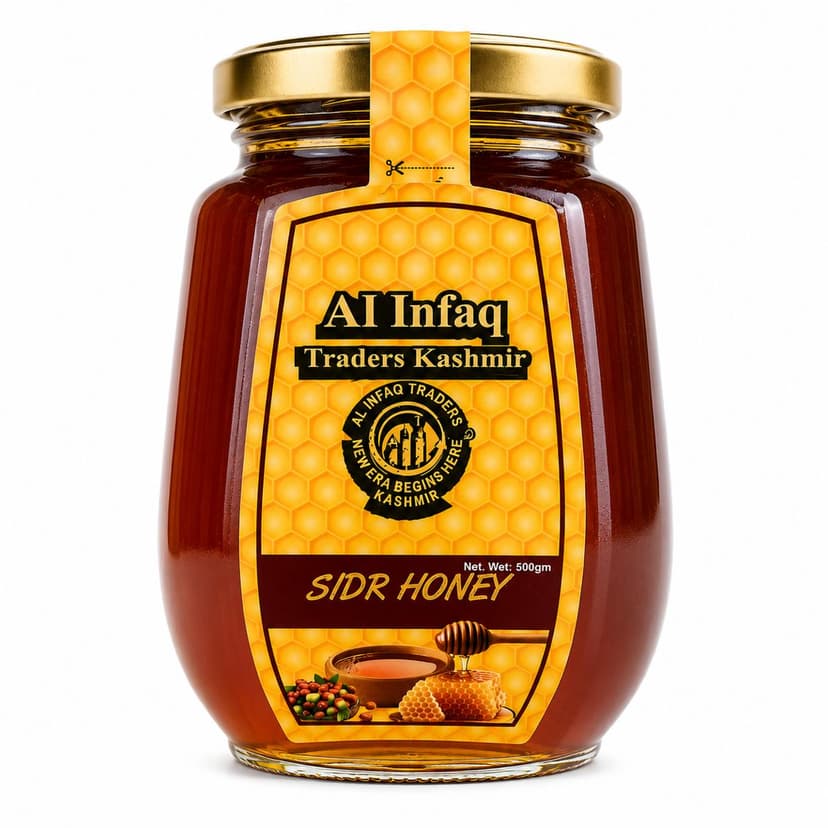
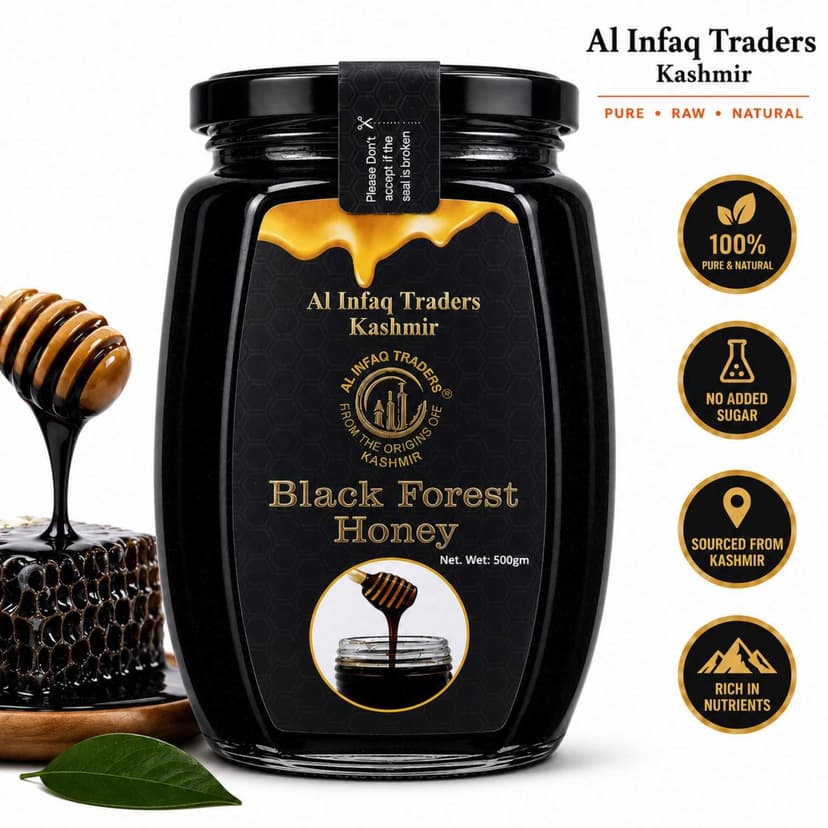
Real honey is a place and a season in a jar. Ours comes from Kashmir valley apiaries — light acacia from the spring blossom and darker forest honey from higher altitudes — raw and unblended, so nothing that makes honey worth eating is cooked away.
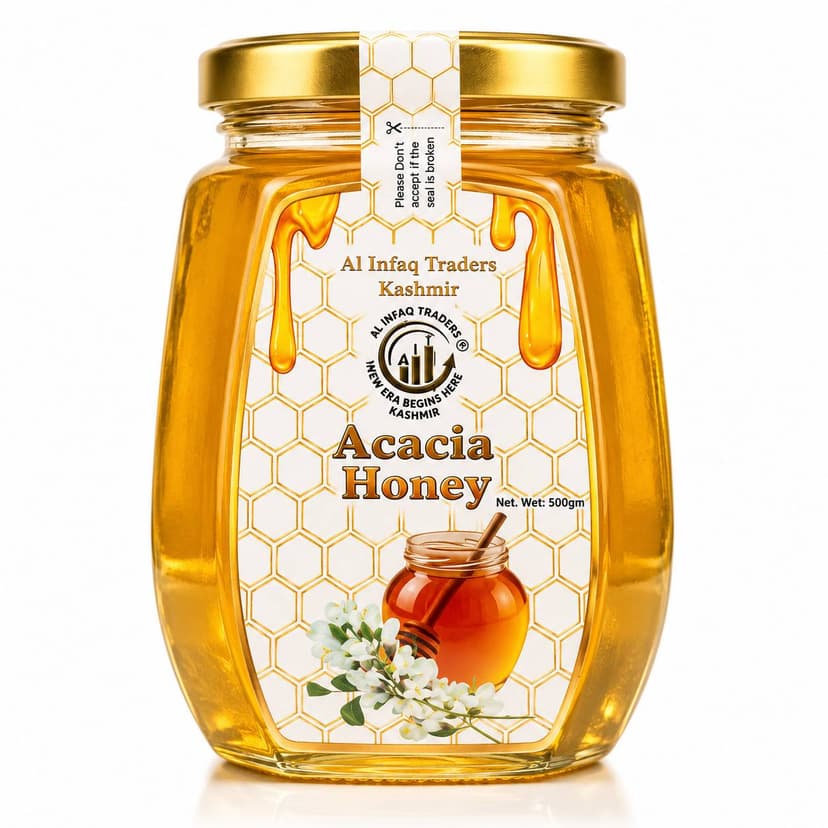
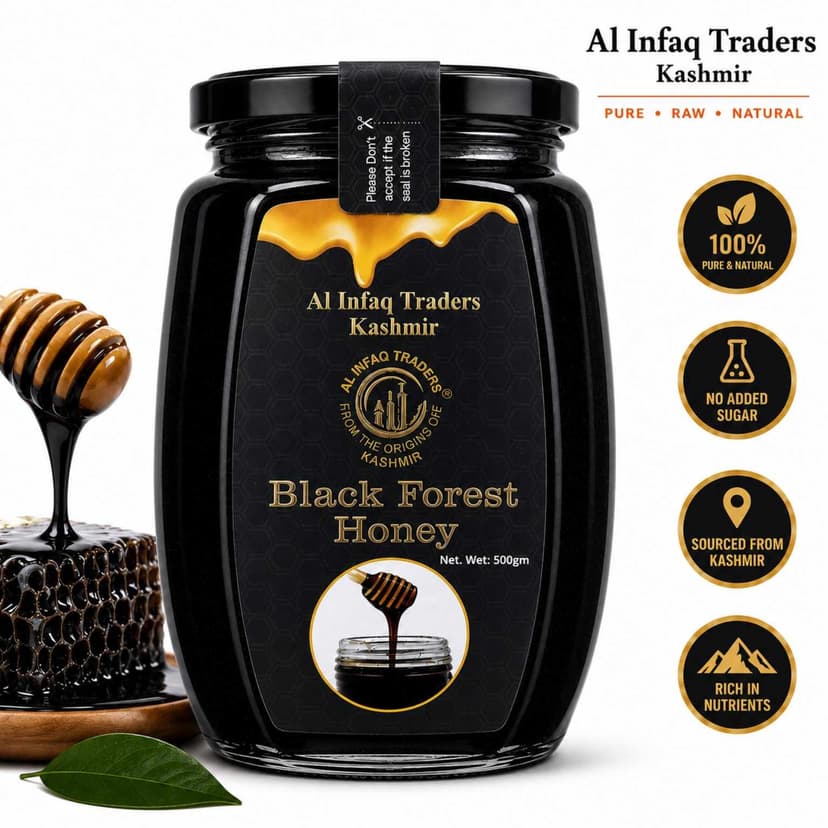
Selling fast — many people are viewing this
Honey buying guide
Raw vs commercial honey
Most bottled honey is heated to ~70°C for fast filtering and bottling, which flattens aroma and destroys enzymes; many are also blended across seasons and origins for uniformity. Raw honey is extracted cold, coarse-strained and bottled as-is — it varies batch to batch, sets naturally in the cold, and actually tastes of its flowers.
The crystallisation test
The most reliable home check for real honey is that it eventually crystallises — glucose naturally comes out of solution. Acacia stays liquid longest (it's fructose-heavy); forest honey sets faster and darker. A jar that never sets over a year has usually been heat-treated. Reversing it is easy: a warm-water bath, never a microwave.
Choosing between acacia and forest
Acacia is light, floral and gentle — best where you want sweetness without changing the flavour: green tea, toast, fruit. Forest honey is dark, malty and assertive — it stands up in kahwa, marinades, strong chai and cheese boards. Most of our regulars keep one of each.