
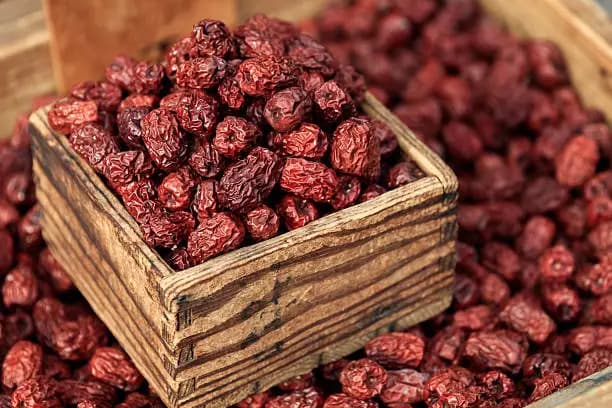
Dry Fruits
16 products
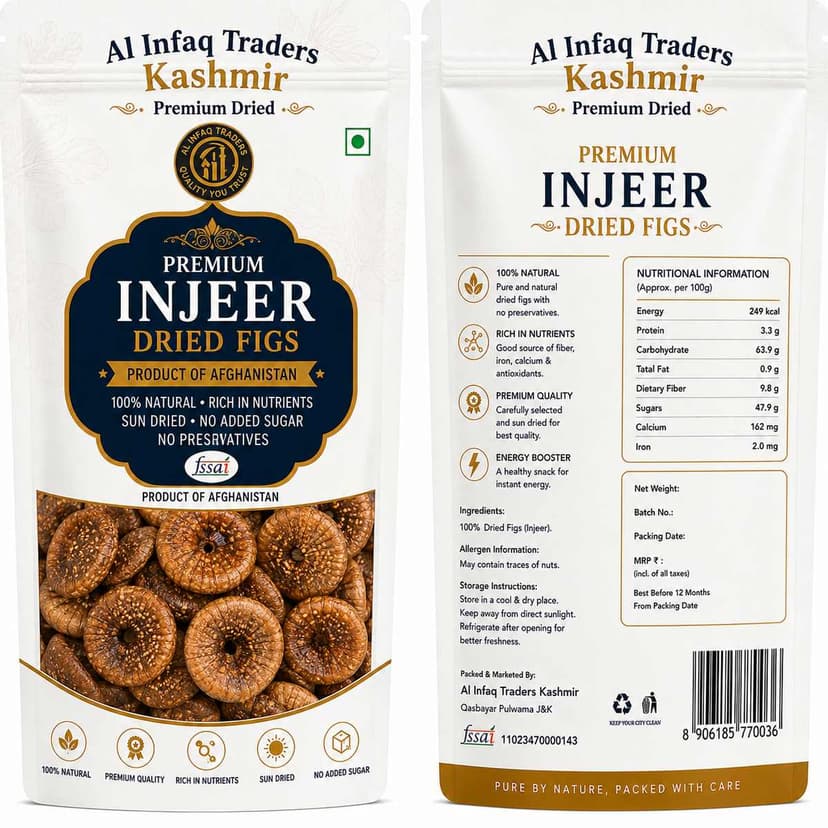
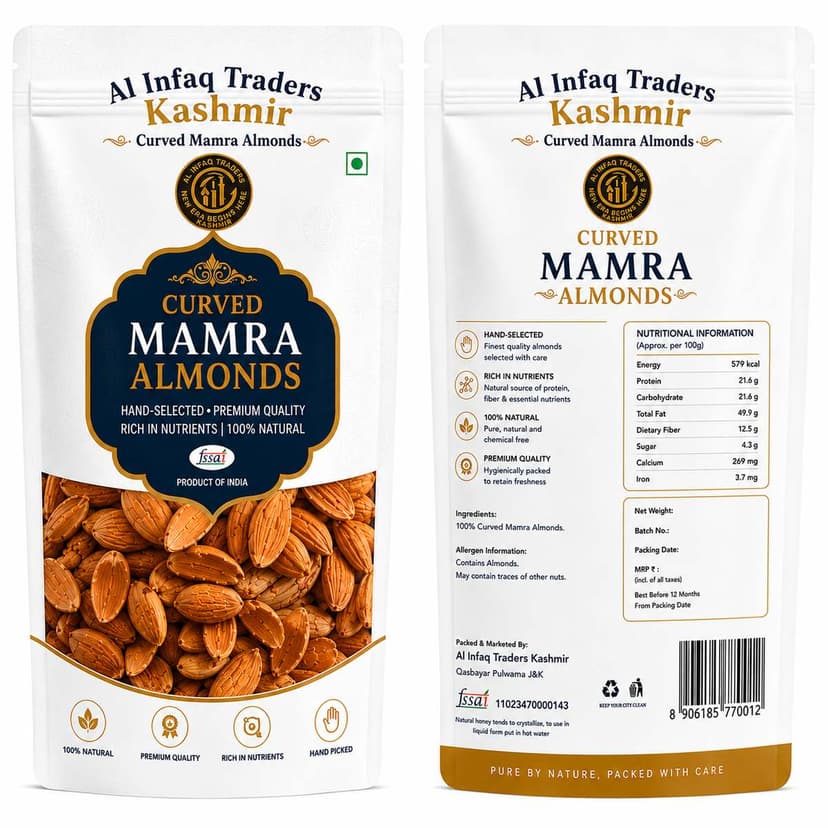
Kashmir's orchards have supplied India's best dry fruits for centuries — mamra almonds from terraced slopes, thin-shell kagzi walnuts, shade-dried kishmish and sun-dried anjeer. Every pack here is sourced directly from valley growers and processed by hand, without polish or blanching.
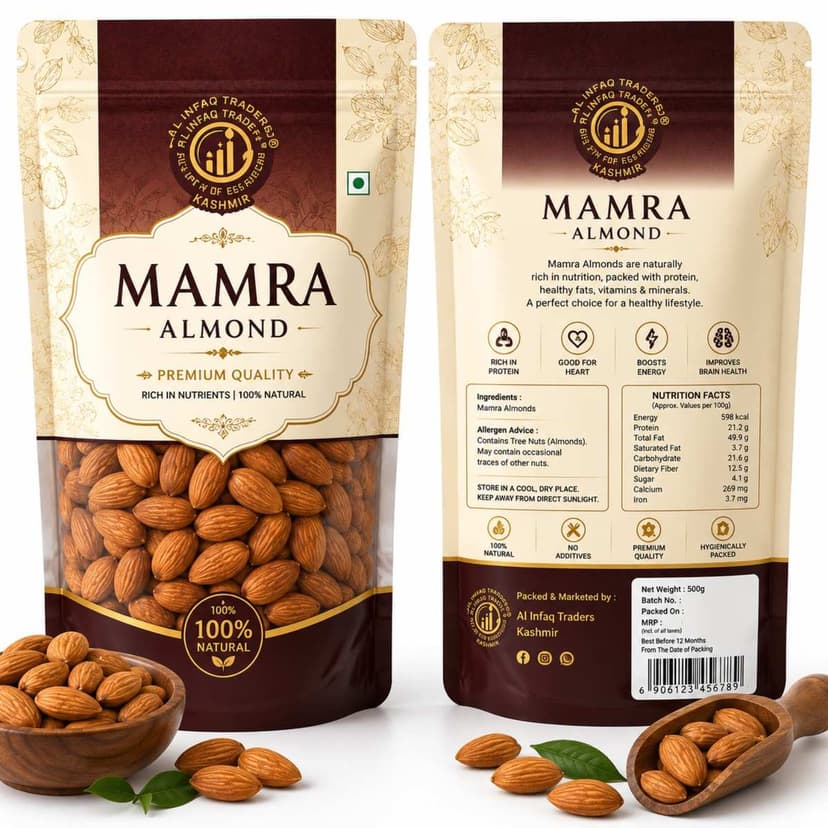
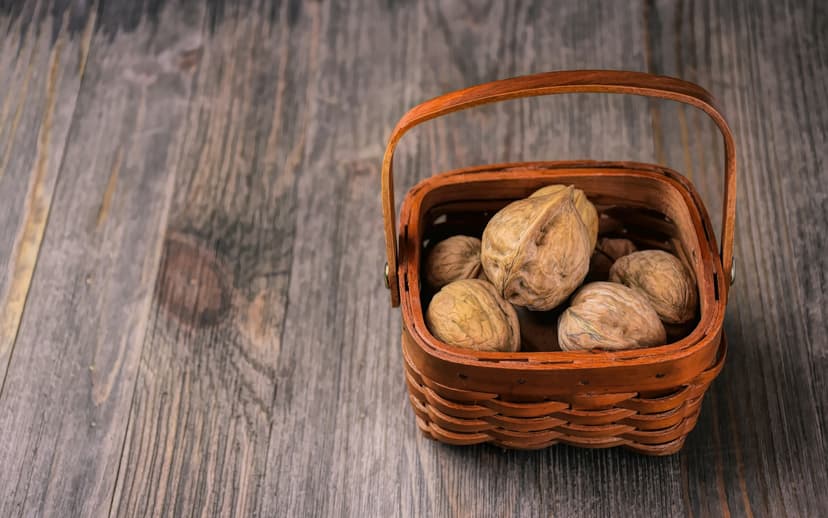
1K+ bought
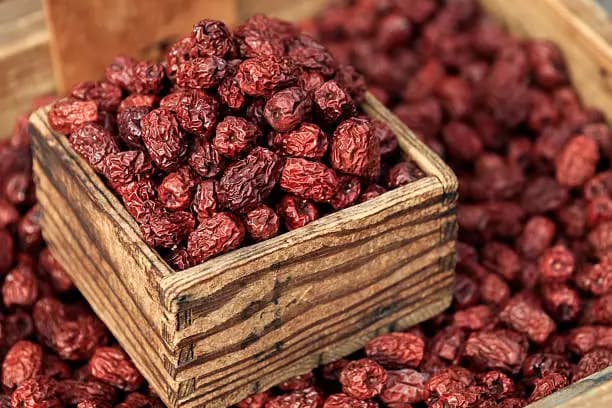
100+ bought
Selling fast — many people are viewing this
Showing 12 of 16
Dry Fruits buying guide
How to judge dry fruit quality
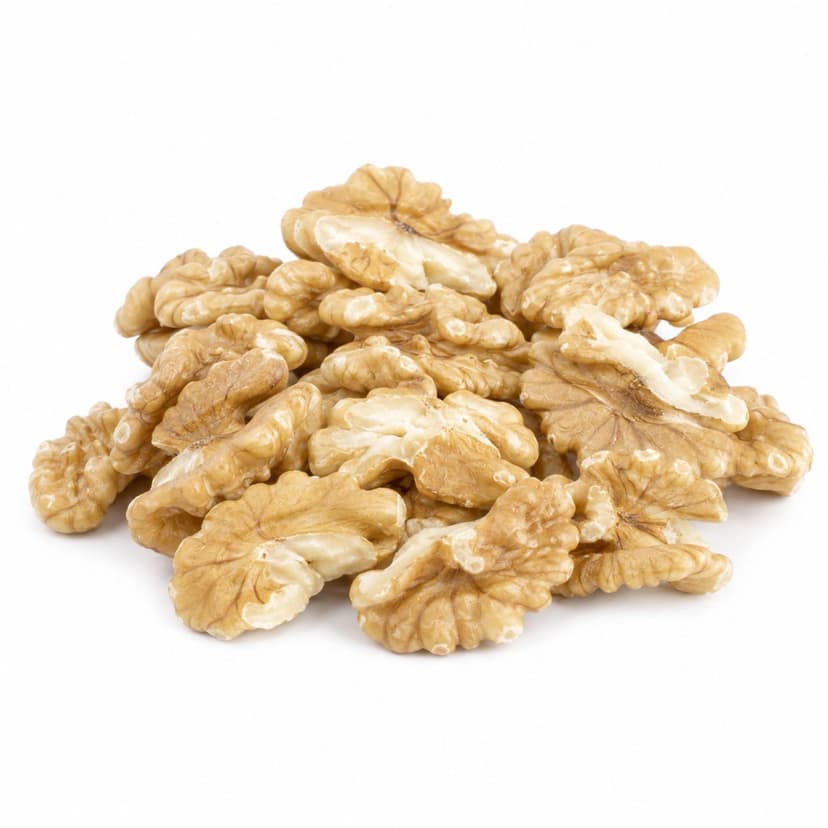
Freshness shows before flavour does. Walnut kernels should be pale — darkening means shelled storage and bitterness. Mamra almonds are small, curved and snap cleanly; uniform glossy kernels are polished commodity stock. Raisins should be plump without an oily shine, and figs soft without stickiness. When a seller names the orchard and harvest, these things tend to take care of themselves.
Mamra vs commodity almonds
Mamra is a seed-grown landrace with roughly 50% oil content against 25–30% in imported varieties — denser, more filling, and traditionally eaten soaked. It costs more because yields are a fraction of orchard-bred varieties. If you're baking, regular almonds are fine; if you're eating them as nutrition, mamra is the one worth paying for.
Storing dry fruits in Indian weather
Heat and humidity are the enemies. Keep everything airtight; refrigerate walnuts always (their oil is delicate), and almonds and raisins through summer. Buy quantities you'll finish in two to three months — fresher, smaller packs beat a large stale one.